
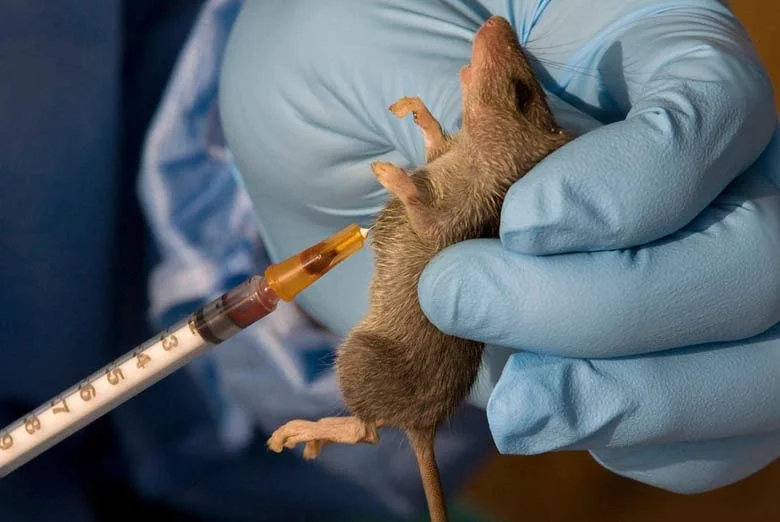
ABUJA: Edo State is among eight Nigerian states battling a deadly outbreak of Lassa fever, with 17 deaths reported nationwide in the first three weeks of 2026, according to the Nigeria Centre for Disease Control (NCDC).
In its weekly epidemiological report for week three, the NCDC confirmed that Edo, alongside Bauchi, Taraba, Plateau, Ondo, Ebonyi, Benue, and Nasarawa states, recorded new cases of viral haemorrhagic disease.
Bauchi State accounted for the highest share of infections, representing 46 percent of confirmed cases.
The report noted 93 confirmed cases across the eight states, with Edo among the states reporting significant numbers, contributing to the national burden.
The country’s case fatality rate currently stands at 18.1 percent, a slight decline from 18.2 percent during the same period in 2025.
Four health workers were infected in week three, highlighting the ongoing occupational risks amid the outbreak.
Overall, 89 percent of confirmed cases came from Bauchi, Ondo, Taraba, and Edo, while the remaining 11 percent were reported from five other states.
Young adults remain the most affected, with the 21–30 years age group showing the highest incidence and a median age of 27.5 years.
The NCDC has activated the national Lassa fever multi-partner Incident Management System (IMS) to coordinate response efforts, including treatment of confirmed cases, distribution of antiviral drugs such as Ribavirin, and community-level risk communication.
Authorities have urged Edo residents, like others across the country, to maintain high standards of hygiene, promptly report suspected cases, and engage in community-level rodent control, noting that poor health-seeking behaviour and late hospital visits remain major challenges.
Lassa fever is an acute viral haemorrhagic illness caused by the Lassa virus, primarily transmitted to humans through contact with rodent excreta or contaminated food. While many infections are mild, severe cases can present with fever, bleeding, organ dysfunction, and even death.
The disease peaks during the dry season, between December and April, when human-rodent contact increases.
With no licensed vaccine currently available, public health officials stress early detection, supportive care, and prompt treatment with Ribavirin for selected patients as key strategies to limit the spread and impact of the disease in Edo and across Nigeria.
Leave a Reply