
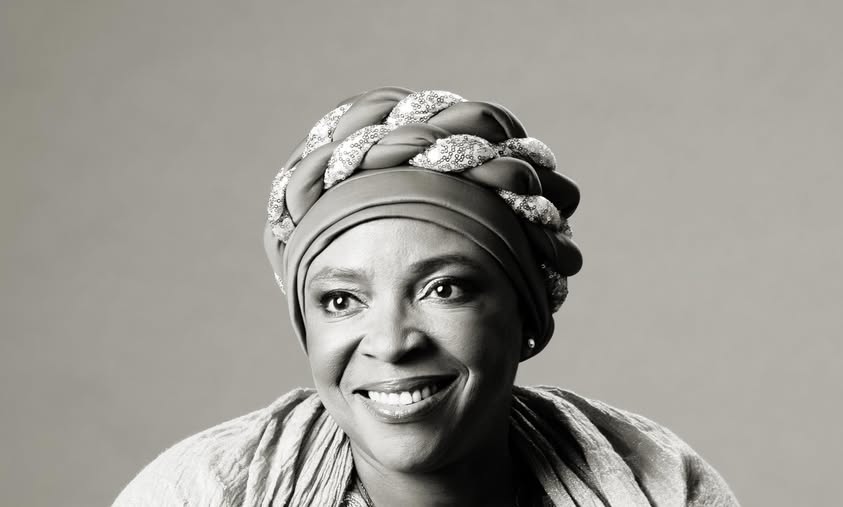
Barrister Gloria Adagbon, a seasoned lawyer, journalist, and vocal advocate for Igbanke, tells Isaac Asabor why the community’s historic ties, cultural heritage, and decades of marginalisation make a compelling case for joining the proposed Anioma State. She argues that self-determination is not rebellion; it is justice, inclusion, and the path to sustainable development.
Excerpt:
What is your view on the renewed push by the Igbanke community to join the proposed Anioma State?
I fully support the Igbanke people’s aspiration to join Anioma State. Their demand is rooted in a legitimate desire to reunite with their kith and kin, preserve their Ika-Anioma heritage, and ensure social and political inclusion. For decades, the community has suffered neglect and marginalisation under Edo State, and aligning with Anioma State offers a real opportunity for equitable representation and sustainable development.
Critics have condemned this move. How do you respond to such criticism?
The position of critics on this issue reflects an unwillingness to acknowledge the historical and cultural realities of the Igbanke people. Labeling their peaceful self-determination as “rebellion”, as they have said, is misleading. Igbanke as a community in Edo State have legitimate grievances over decades of socio-cultural exclusion and underdevelopment. Their aspiration is not to destabilise but to correct historical injustices.
What evidence is there to suggest that Igbanke has been neglected under Edo State administration?
The evidence is overwhelming. Igbanke suffers from poor road networks, absence of functional healthcare facilities, inadequate schools, and lack of rural electrification. Their communities have been systematically deprived of infrastructure and development funds despite being economically and strategically important. This neglect fuels the rationale for seeking inclusion in Anioma State.
How would joining Anioma State benefit the Igbanke community?
Inclusion in Anioma State would foster a sense of belonging, cultural recognition, and equitable political representation. It would open doors for targeted development, investment in social infrastructure, and protection of the Ika-Anioma language and culture. It is a path toward self-determination, not separatism.
Some argue that Nigeria’s state boundaries should remain unchanged for administrative stability. How do you reconcile this with the Igbanke’s demands?
Administrative convenience cannot be prioritised over the rights of a people to preserve their identity and determine their political future. Nigeria’s post-independence boundaries often ignored ethnic and cultural realities. Recognising Igbanke’s demand for inclusion in Anioma State is a constitutional and democratic exercise, not a threat to national unity.
What role do you see for community leaders and youth organisations in this process?
Community leaders and organisations play a critical role in mobilising awareness, educating the public on historical injustices, and ensuring the process remains peaceful and law-abiding. Their engagement ensures that the agitation is constructive, legitimate, and aligned with constitutional processes.
In your professional opinion, what message should the Edo State government take from the Igbanke agitation?
Edo State must recognise that continued neglect and cultural alienation are unsustainable. The government should engage respectfully with the community, acknowledge their grievances, and support a process that allows Igbanke to exercise their right to self-determination peacefully. Ignoring them will only deepen resentment and social tension.
As someone who has lived in Nigeria, what is your overall assessment of the state’s handling of the Igbanke question?
Edo State is a complex and diverse space, and governing it comes with historical, cultural and administrative challenges. I believe successive governments have had to balance many competing interests, sometimes under very difficult circumstances. That said, the Igbanke situation highlights areas where engagement, communication and inclusive development could have been stronger. This is not about apportioning blame or antagonizing any group; it is about acknowledging that some communities feel unheard and underserved. Addressing those concerns openly and respectfully is in the interest of Edo State, Igbanke, and Nigeria as a whole.
What are your expectations for Ndi Igbanke this New Year?
My hope for Ndi Igbanke this New Year is that the community continues to grow stronger, more united, and more determined in pursuing its development goals. I expect greater engagement in initiatives that promote education, infrastructure, and economic opportunities, while maintaining our rich cultural heritage. Most importantly, I hope Ndi Igbanke approaches the year with wisdom and patience as we work collectively toward the aspirations that will shape our future.
Leave a Reply