
Igbo-speaking communities in the Ika axis of Edo State have voiced strong concerns over what they describe as long-standing political marginalisation and the erosion of their cultural identity, accusing successive state administrations of sidelining them from governance and development initiatives.
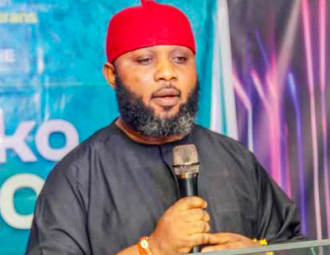
Addressing journalists in Asaba on Sunday, a prominent community figure, Apostle Azuka Okah, claimed the affected communities have faced “systemic neglect and structural exclusion” within Edo State’s political system for decades.
According to Okah, the situation has left the communities politically isolated and administratively neglected. He accused state authorities of repeatedly ignoring their appeals for fair representation and the provision of basic infrastructure.
The communities also decried what they termed persistent underdevelopment in their areas. They pointed to deteriorating road networks, poorly equipped health facilities, inadequately funded schools, limited access to potable water and a shortage of government-driven development projects.
Community representatives further argued that the level of development in their localities does not reflect the resources generated from their territories, a situation they say has fueled suspicions of deliberate political exclusion.
One community leader told reporters that residents often feel treated as strangers in their own homeland, alleging that their linguistic and cultural identity is frequently overlooked in state affairs.
The communities affected include Iru, Igbanke, Ogbagie, Igbo-Giri, Owa Ri Uzo, Otobaye, Oghada, Ute-Oha, Eze and Ekpon. They maintain deep linguistic and cultural links with the Anioma people of Delta State and the wider Igbo ethnic group.
Although the proposed Anioma State has yet to receive constitutional approval, leaders of the Ika Igbo communities in Edo warned that exclusion from any future arrangement could extend what they described as decades of “administrative suffocation.”
They maintained that remaining within Edo State without clear structural safeguards for inclusion has continued to leave the communities politically exposed and economically disadvantaged.
Leave a Reply