Edo’s Crown and Its Enduring Influence
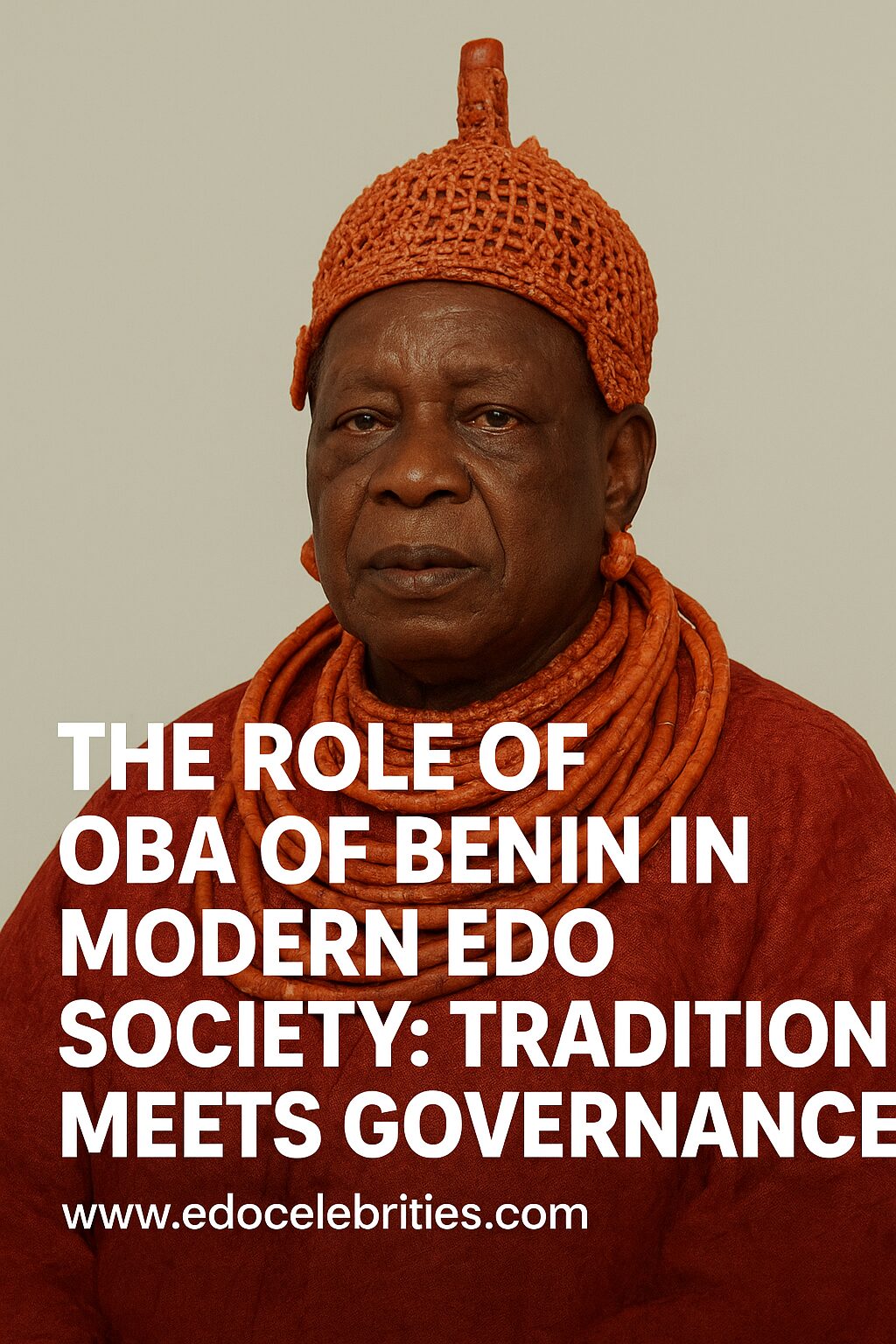
The Oba of Benin has always been more than a traditional monarch. In modern Edo society, the Oba is a custodian of culture, a mediator of conflicts, and a force for community development. With centuries of royal heritage behind him, Oba Ewuare II has transformed the throne into a dynamic institution that blends ancient traditions with contemporary governance.
From the grandeur of the palace to the vibrancy of Edo streets during festivals, the Oba’s influence is visible in every corner of the state. He is a bridge between history and modernity, reminding Edo people of their identity while actively shaping their present and future.
Festivals: A Living Heritage
Edo festivals are more than celebration—they are a reflection of the Oba’s power to unite, inspire, and preserve culture. The Igue Festival is the crown jewel of these celebrations, attracting thousands of people from across Nigeria and beyond. During Igue, the Oba blesses the land, honors his predecessors, and rallies the people in a collective spirit of thanksgiving and renewal.
Equally important is the Emorọ Festival, held every September. Here, the Oba plays a central ceremonial role, reaffirming his position as both spiritual leader and cultural ambassador. These festivals are not only about pomp and pageantry; they reinforce Edo values, promote tourism, and keep centuries-old traditions alive in the hearts of the people.
Championing Edo Culture and Heritage
Oba Ewuare II has taken bold steps to safeguard Edo culture. One of the most notable achievements of his reign is the effort to repatriate the Benin Bronzes, priceless artifacts looted during colonial times. His relentless campaign has brought global attention to Edo history and reinforced the monarchy as a guardian of cultural identity.
Beyond heritage artifacts, the Oba is also committed to preserving the Edo language. He has encouraged parents to teach their children the language and has promoted its inclusion in schools, ensuring that younger generations grow up deeply connected to their roots. His foundation offers scholarships and supports programs that teach Edo history and language, strengthening the kingdom’s cultural continuity.
Governance in a Modern State
While the Oba’s crown is rooted in tradition, his role extends into governance. Recognized as the head of all traditional rulers in Edo State, the Oba mediates conflicts, adjudicates land disputes, and oversees local chiefs. He remains a vital voice in community affairs, often stepping in to settle disputes where modern systems falter.
In a notable move, Oba Ewuare II has intervened to restructure community associations, ensuring peace and order. His ability to combine spiritual authority with practical governance has won him respect across the state. Residents often describe him as a stabilizing force, someone whose decisions carry moral and social weight.
Driving Development and Empowering Youth
The Oba’s influence is not limited to culture and governance; it extends to development. Through initiatives like the Oba Ewuare II Satellite Town, he has facilitated economic decentralization and created opportunities for youth. His foundation supports educational programs, vocational training, and community projects, demonstrating how traditional leadership can drive tangible progress.
These interventions reflect a modern approach to monarchy, where the Oba is not just a figurehead but an active agent shaping Edo society’s growth and future.
Challenges and Balancing Tradition
Despite his achievements, the Oba’s position comes with challenges. Balancing tradition with modern governance occasionally stirs tension, particularly with community groups and political authorities. However, his careful navigation ensures that the monarchy remains respected, relevant, and influential.
He also faces the ongoing task of ensuring Edo culture thrives without being reduced to a tourist attraction. By focusing on education, festivals, and heritage preservation, he continues to reinforce the monarchy’s essential role in society.
Conclusion
The Oba of Benin today is a symbol of unity, culture, and leadership. Through festivals, heritage preservation, governance, and development initiatives, Oba Ewuare II demonstrates that tradition and modernity can coexist, and that monarchy can still play a meaningful role in shaping society.
For Edo people, the Oba is more than a ruler—he is a guardian of the past, a guide for the present, and a visionary for the future. His influence remains a defining force in the cultural, social, and political life of Edo State.
Leave a Reply